Hardtail vs Full Suspension: Which One Is Right for You?

Hardtail vs Full Suspension: Which One Is Right for You?

24 August 2026

For cyclists who enjoy outdoor adventures—riding over rocky paths, dirt trails, and unpredictable mountain terrain—a Mountain Bike (MTB) is a popular choice. MTBs are designed with stronger frames and wider tires to provide comfort and precise control during off-road adventures.

However, not all MTBs have the same characteristics. One of the key considerations when choosing an MTB is its suspension system. The two most common options are hardtail and full suspension. Both have different characteristics, advantages, and intended uses.

So, which one is better suited to your riding style?

MTB Hardtail

A hardtail is a mountain bike that only has suspension at the front, through the fork. The rear does not use suspension, allowing pedaling power to be transferred more directly to the rear wheel.

One of the main advantages of a hardtail is its relatively lighter weight and simpler construction. Maintenance is also generally easier because it does not have a rear shock or rear suspension linkage system.

Hardtails also typically offer good pedaling efficiency. When riding uphill or on relatively smooth surfaces, the power delivered to the pedals can feel more responsive.


MTB Full Suspension

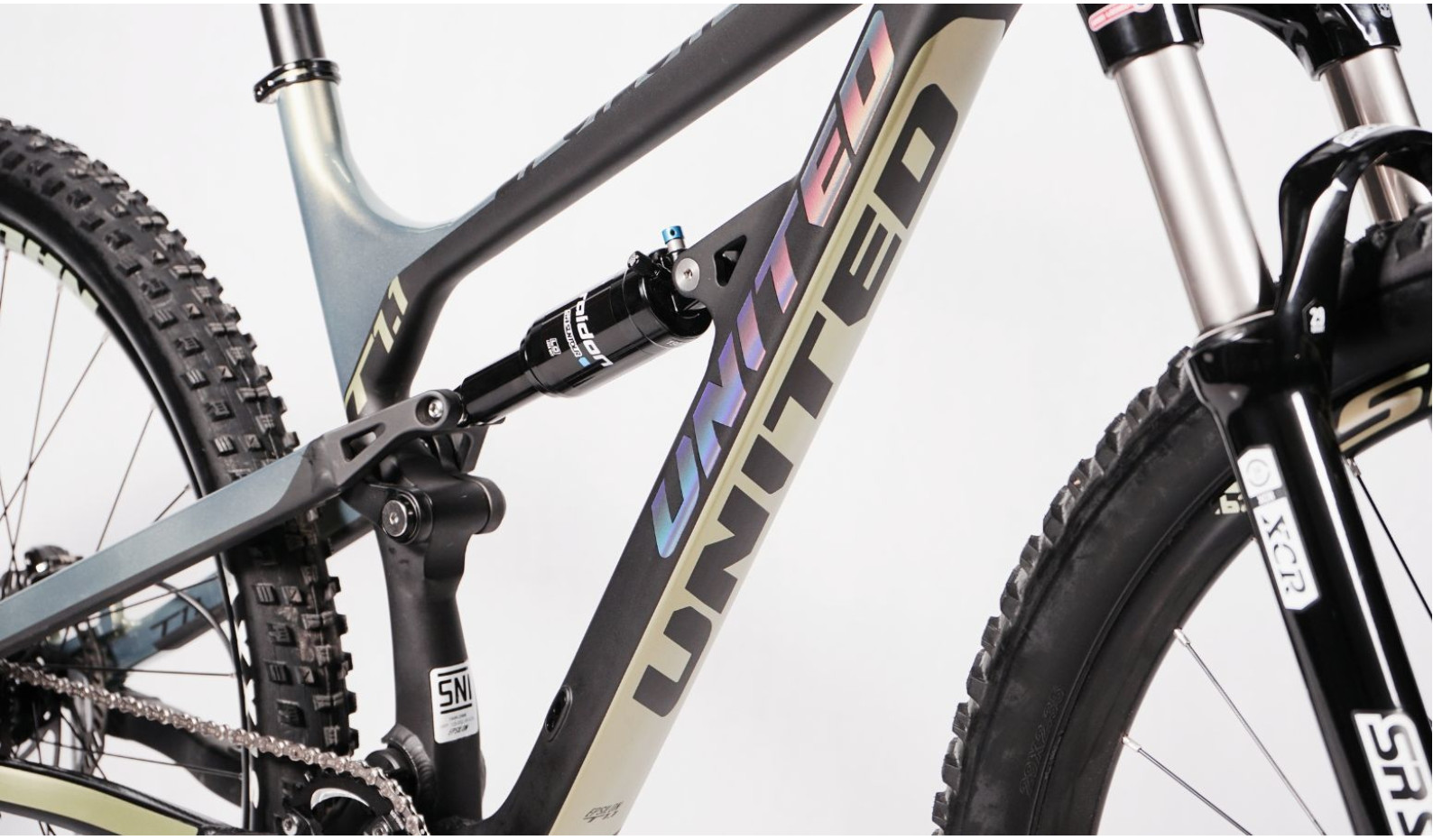
Unlike a hardtail, a full-suspension MTB has suspension at both the front and rear. This system is designed to provide better control and comfort when riding over uneven terrain.

The rear suspension helps the wheel follow the contours of the ground while absorbing impacts. As a result, the bike feels more stable when riding over rocky trails, roots, drops, and technical descents.

The downside is that the dual-suspension system makes the bike heavier than a hardtail. Maintenance is also more complex and can involve higher servicing costs. Riders also need to adjust when to open or lock out the rear suspension depending on the terrain.


Hardtail or Full Suspension: Which Is Better?

If you spend most of your time riding XC trails, urban roads, or relatively moderate terrain, a hardtail can be a practical choice. It offers a combination of lighter weight, efficient pedaling, and relatively simple maintenance.

On the other hand, if you frequently ride trails with rocks, roots, steep descents, and technical terrain, a full suspension offers better control and comfort.

Ultimately, neither is universally better than the other. Hardtails and full-suspension bikes are designed for different needs. The best choice is the bike that matches the terrain you ride most often, your riding style, and your experience as a rider.

Latest News & Event

Fixed Gear Is Making a Comeback: What Makes It Special?

02 November 2026

Among the wide variety of bicycles available today, fixed gear bikes, commonly known as fixies, continue to attract attention, particularly among younger riders. With their minimalist appearance and distinctive riding characteristics, these bicycles are not only used for exercise but have also become part of an urban lifestyle and a form of personal expression.The popularity of fixed gear bikes is closely tied to their simple design. Unlike multi-speed bicycles that feature multiple gear-shifting components, fixed gear bikes are known for their minimalist drivetrain. This characteristic offers a different riding experience while maintaining a clean and appealing appearance.What Makes Fixed Gear Bikes Popular Again?One of the main attractions of fixed gear bikes is their simple design. With fewer additional components, these bicycles have a sleek and minimalist appearance. This distinctive look makes them easily recognizable and appealing to riders who appreciate urban aesthetics.Beyond their design, fixed gear bikes also offer a unique riding experience. On a true fixed gear system, the pedals are directly connected to the rear wheel. This means that whenever the wheel rotates, the pedals move as well. This creates a distinctive riding sensation compared to bicycles equipped with a freewheel system.Another factor behind their popularity is their customization potential. Riders can personalize various components, such as handlebars, saddles, wheelsets, and component colors, to create a look that reflects their individual style.It is no surprise that fixed gear bikes also have a strong connection with cycling communities. Group rides, sharing customization ideas, and participating in community events have all become part of their appeal.From: Vebi AlfarisUnited Bike Soloist 01: A Fixed Gear-Style Bike Ready for CustomizationFor those interested in fixed gear-style bicycles, United Bike offers the Soloist 01 as an urban bike featuring a minimalist design and sporty character.Built with a 700C Hi-Ten Steel Frame, the Soloist 01 features a sturdy frame construction designed to support everyday riding. Its 700C wheel size gives it the characteristics of an urban bicycle, making it suitable for exploring city streets.In terms of its drivetrain, the Soloist 01 features a single-speed configuration with a 170 mm alloy crank and a 48T chainring. This setup offers straightforward operation without gear shifting, allowing riders to focus on enjoying their ride.For added comfort and stability, the bike is equipped with alloy double-wall rims and a Caliper Brake and Coaster Brake system. These components complement the Soloist 01's character as an urban bicycle that prioritizes functionality and simplicity.Beyond its specifications, the Soloist 01's design also offers room for riders who want to express their personal style through cycling. Its available color options give the bike an appealing appearance for various everyday activities.

Kids Bike Size Guide Based on Height

28 October 2026

Choosing the right kids' bike is not only about the design or color they like. The bike size should also match the child’s height to ensure a comfortable riding position and better control.One of the easiest ways to choose the right kids' bike is by looking at the wheel size. Common kids' bike sizes include 12-inch, 16-inch, and 18-inch wheels, each designed for a different height range.Kids Bike Size GuideHere is a simple guide to choosing a kids' bike based on height:Bike SizeChild's HeightRecommended Age12-inch80–100 cm2–5 years16-inch100–125 cm5–9 years18-inch120–140 cm9–12 years12-Inch Kids BikeA 12-inch bike is suitable for children around 80–100 cm tall, generally between 2–5 years old.This size is ideal for children who are starting to learn how to ride. Its smaller frame and wheels make it easier for young riders to reach the controls and handle the bike.16-Inch Kids BikeFor children around 100–125 cm tall, a 16-inch bike can be a suitable choice. This size is generally recommended for children aged 5–9 years.The larger wheels provide more room as children grow while still offering good control and stability. A 16-inch bike is also a good option for children who are already comfortable riding a bike.18-Inch Kids BikeFor children around 120–140 cm tall, an 18-inch bike can be a suitable choice. This size is generally recommended for children aged 9–12 years.The larger wheels provide a more suitable riding position for taller children while offering a comfortable riding experience as they develop their cycling skills.Height or Age: Which Matters More?Age can be used as a general reference, but height should be the main consideration when choosing a kids' bike.Every child grows differently, so two children of the same age may have different heights. That is why it is important to choose a bike based on the child's current height for a more comfortable and controlled ride.Before choosing a kids' bike, measure the child's height and use it as a guide to find the right wheel size. With the right fit, children can enjoy a more comfortable and confident riding experience.

The Growing Trend of Push Bikes: A Fun Way to Develop Children’s Balance from an Early Age

23 October 2026

Childhood, particularly between the ages of 0 and 6, is considered the golden age of development, when children experience significant growth in motor, cognitive, language, and social-emotional skills. During this crucial period, experts emphasize the importance of providing stimulation through activities that encourage children to move, explore, and express themselves. One increasingly popular activity is learning to balance through the use of a push bike, also known as a balance bike.Unlike conventional bicycles, balance bikes are designed without pedals and are generally intended for children aged 18 months to 6 years. Children propel the bike forward by pushing against the ground with their feet, allowing them to develop balance and body coordination naturally. According to research conducted by the University of A Coruña in Spain, nine weeks of balance bike use among children aged 3–8 significantly improved their motor competence, or fundamental movement skills.Benefits of Push Bikes for Children1. Developing Body BalancePush bikes help children develop their ability to maintain balance, an essential component of gross motor skills. Balance supports various everyday activities, including walking, running, jumping, and eventually riding a bicycle without training wheels. Using a push bike also teaches children to maintain stability while moving.2. Building Self-ConfidenceLearning to ride a push bike is a gradual process that requires children to try, make mistakes, and eventually ride with greater stability. Each time they travel farther or maintain their balance for longer, their confidence grows. These positive experiences can help foster independence and build confidence when facing other challenges.3. Strengthening Leg MusclesUnlike children's bicycles equipped with training wheels, push bikes rely on children’s leg movements to propel the bike forward and help maintain balance. Starting this activity early provides opportunities to develop leg strength and coordination as children grow.4. Encouraging a More Active LifestyleIn today's digital world, push bikes offer a fun alternative to screen-based activities, including watching television and using gadgets. As an enjoyable outdoor activity, riding a push bike encourages children to move more. Regular physical activity supports muscle and bone development, as well as overall physical health.The growing popularity of push bikes and balance bikes is also supported by the increasing number of competitions and exhibitions. Participating in these events can motivate children to challenge themselves, develop a competitive spirit, and learn to strive toward their goals.Push bikes provide a valuable way to support early childhood development. Teaching children to ride can also create meaningful opportunities for parents and children to spend quality time together, away from digital distractions.United Bike supports the growing push bike trend with the United Picabo, available in five color options to match children’s preferences. Discover more information about pricing, color options, and specifications at www.unitedbike.com.