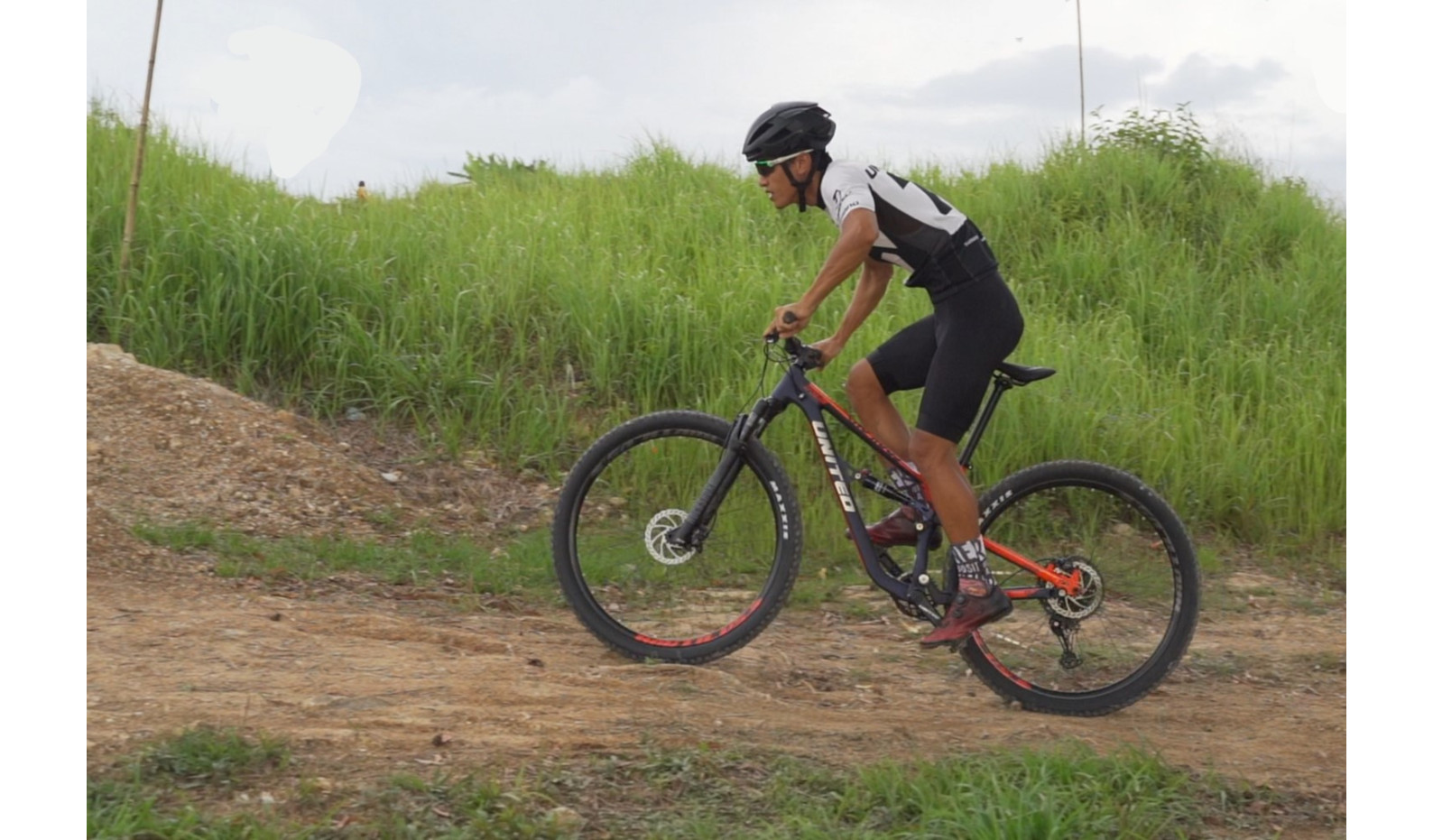
6 Tips for Cycling Without Getting Tired Easily
05 October 2026
With the growing trend toward a healthy lifestyle, cycling has once again become a popular form of exercise. Besides helping maintain heart and muscle health, cycling can also be a great way to spend your free time.
For those who are just starting out, cycling for a relatively long distance or duration can quickly make the body feel tired. This can happen due to a lack of preparation, improper body positioning, or inefficient use of energy.
Follow these tips to help prevent your body from getting tired easily when cycling for long distances or extended periods.
1. Make Sure You Are in Good Physical Condition
Before cycling, make sure your body is in good shape. Do not push yourself to cover long distances when you are feeling unwell or already tired.
Prepare your energy by eating nutritious and easily digestible food before cycling. Food provides the energy your body needs while pedaling. If you are going on a fairly long ride, don't forget to bring food or snacks that you can eat when you start feeling hungry.
2. Adjust Your Body Position and Make Sure Your Bike Is Comfortable
An improper body position can cause you to use up energy more quickly. Therefore, adjust the saddle and handlebars according to your body size so that your riding position feels comfortable.
Avoid maintaining the same body position for too long. Change your position occasionally so that certain parts of your body are not constantly under pressure.
Bike comfort is also important. Make sure the saddle is not too high or too low, and choose appropriate cycling equipment. Comfortable, sweat-absorbing clothing can also make the ride more enjoyable.
3. Warm Up and Choose a Suitable Route
Before you start pedaling, do some light warm-up exercises to prepare your body for physical activity. After cycling, cool down to help your body gradually return to its normal state.
Your choice of route should also be considered. For beginners, it is best to choose a relatively safe route that is not too crowded and has good road conditions. Avoid forcing yourself to ride on routes with steep climbs or difficult terrain if your body is not yet accustomed to them.
Besides making the journey safer, choosing a route that matches your abilities can help conserve energy and prevent you from getting tired too quickly.
4. Use the Appropriate Bike Gear for the Road Conditions
Using the right bike gear can help conserve energy. Adjust the gear according to the terrain you are riding on.
When riding uphill, use a lower gear so that pedaling feels easier. Meanwhile, on flat roads or when conditions allow, adjust the gear so that your pedaling remains efficient.
Do not wait until you are completely exhausted before changing gears. Anticipate changes in terrain in advance so that your pedaling remains comfortable.
5. Control Your Breathing and Pace, and Take Time to Rest
A common mistake made by cyclists, especially beginners, is starting out at a high speed. This can actually cause energy to be depleted quickly and make breathing become irregular.
Instead, start at a comfortable pace and gradually increase your speed according to your body's ability. Maintain a steady breathing rhythm, especially when riding uphill or when the intensity of your pedaling increases.
If your body starts to feel overly tired, don't hesitate to stop for a while. Use the break to drink, regulate your breathing, and recover your energy before continuing the ride.
Taking a short break is better than pushing yourself until you are completely exhausted.
6. Stay Hydrated
Cycling causes the body to lose fluids through sweat, so those fluids need to be replaced regularly. Therefore, always bring drinking water when cycling, especially if the ride will last for a long time.
Drink regularly and don't wait until you feel extremely thirsty. Dehydration can make physical activity feel more difficult and cause your stamina to decrease.
In addition to maintaining adequate fluid intake, choose foods or drinks that are appropriate for the duration and intensity of your activity so that your energy needs remain fulfilled.
Conclusion
Cycling does not always have to involve high speeds or long distances. What matters more is knowing your body's capabilities and using your energy efficiently.
By maintaining your physical condition, adjusting your cycling position, maintaining a steady pedaling rhythm, using the appropriate gears, getting enough fluids, controlling your breathing, and resting when necessary, cycling can become a more comfortable experience.
So, don't focus solely on distance or speed. Enjoy the journey and adjust the intensity of your cycling to your body's abilities so that exercise remains enjoyable without leaving you exhausted.